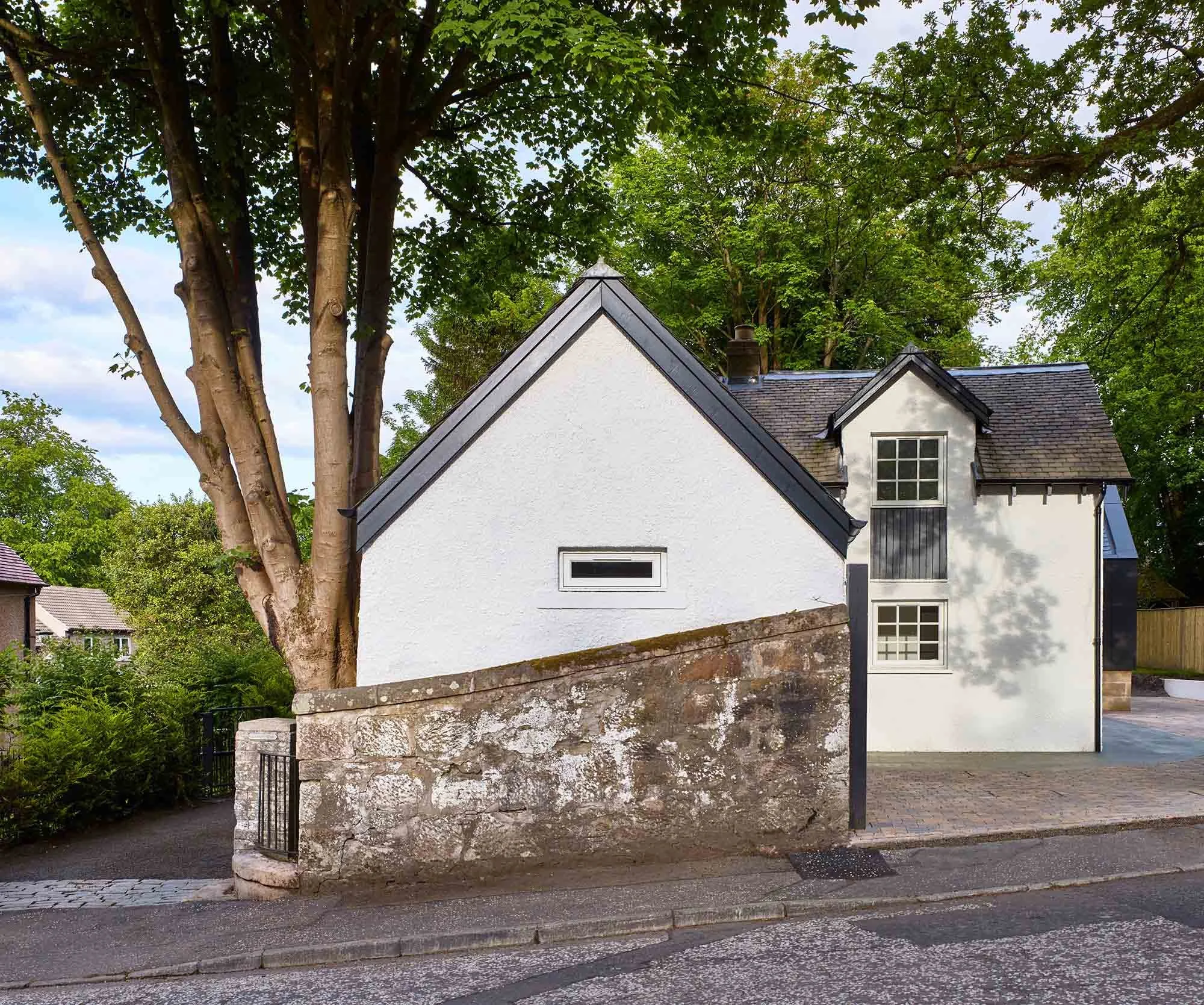
Dundee Conservation Areas | Local Architect Introduction.
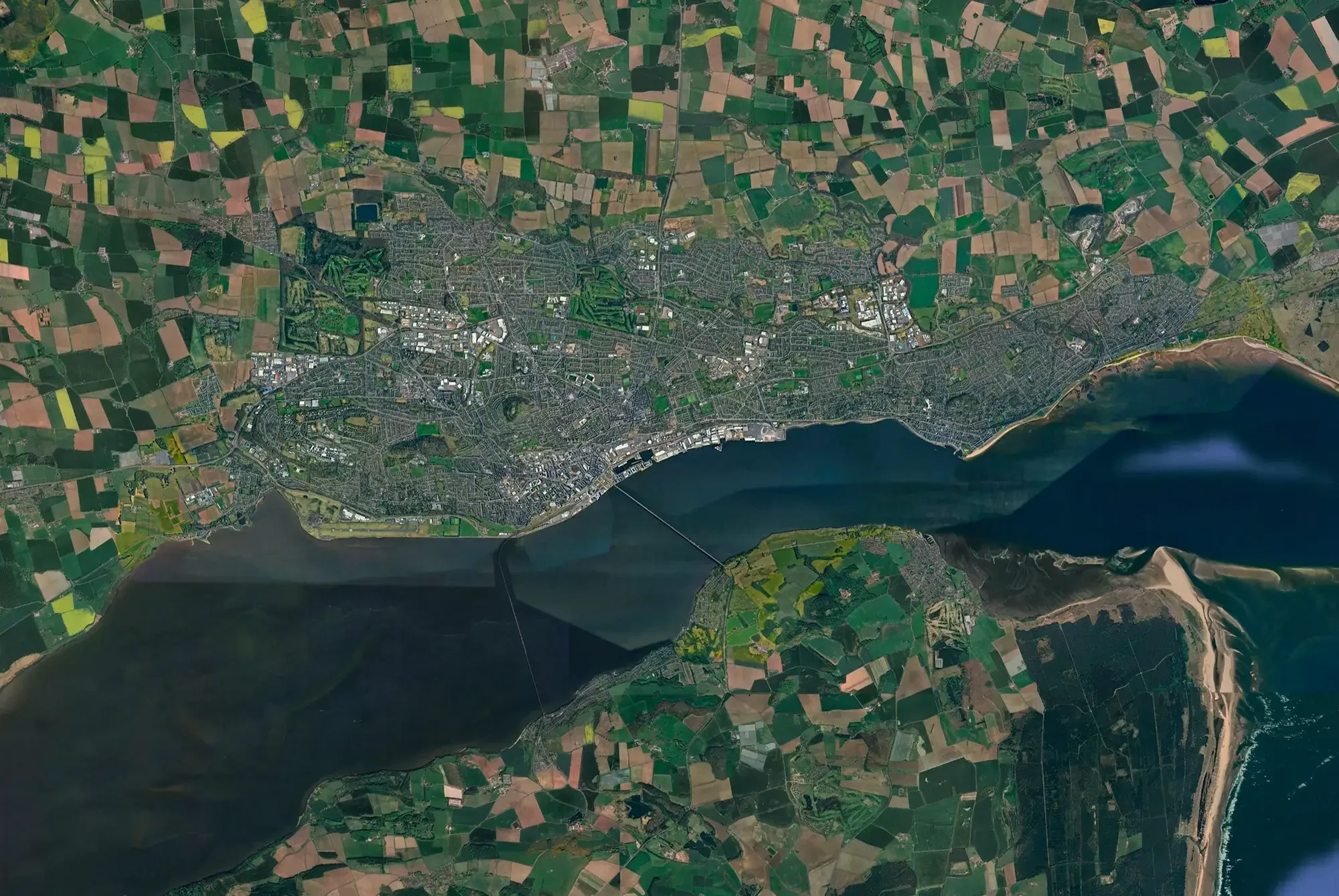
A local architect’s introduction to Dundee’s Conservation Areas.
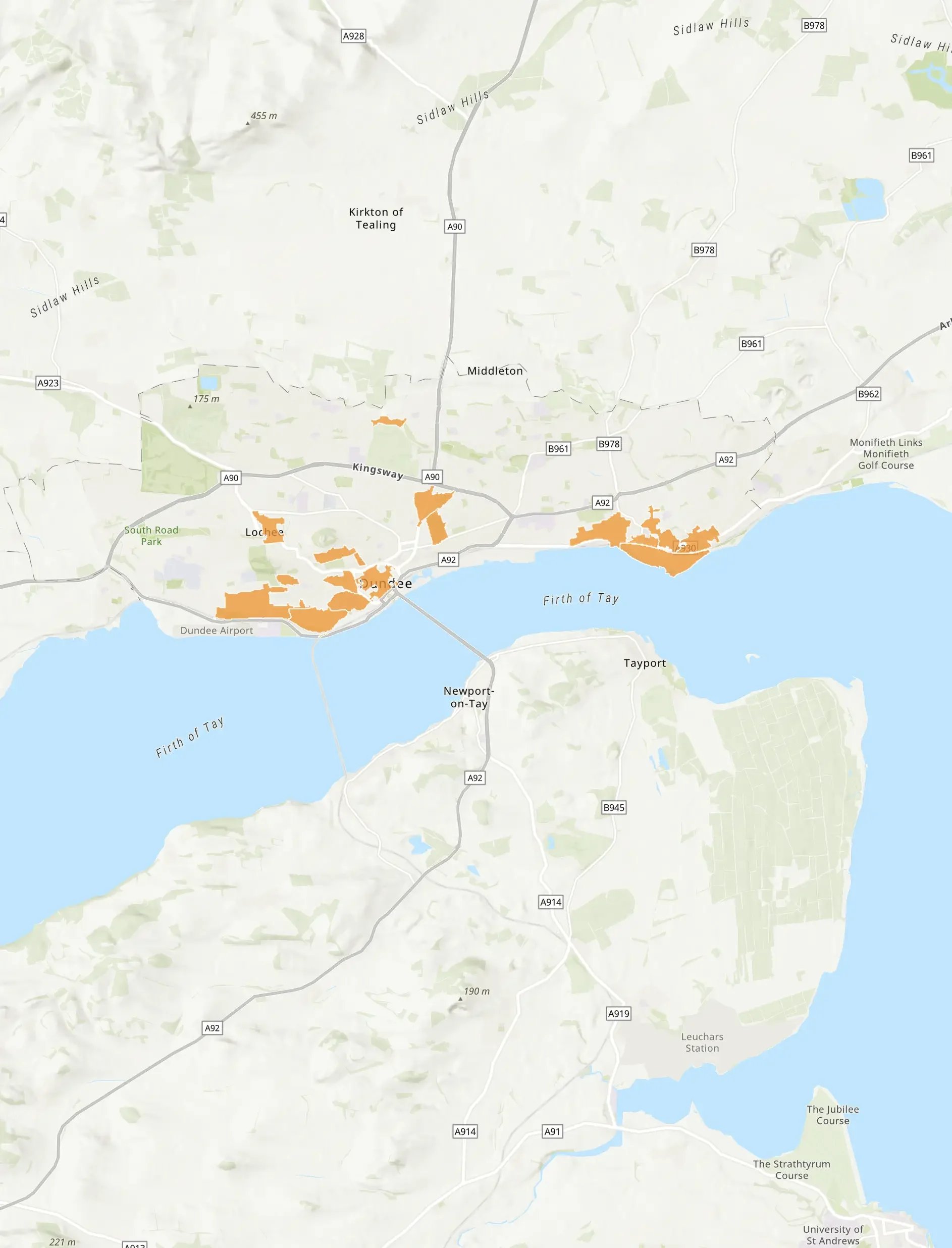
Dundee is a city shaped by layers of history and an incredible, almost implausibly beautiful landscape setting. Medieval streets, Victorian expansion and industrial growth driven by textiles and jute. Alongside modern regeneration and the Law Hill, rising and commanding uninterrupted southern aspect over the ever changing light of the Tay estuary, Dundee has an incredible heritage. To protect its unique urban fabric, Dundee City Council has designated 17 Conservation Areas across the city. These areas preserve buildings, streetscapes and the landscapes that give Dundee its distinctive identity.
A ‘Conservation Area’ is a zone where the character or appearance is of special architectural or historic interest. While this designation does not prevent development, it ensures that any alterations preserve or enhance the area’s character. For homeowners, developers and architects, this means planning applications are reviewed more closely, but it also provides a clear framework for sensitive design, refurbishment and reuse. We find that our skills are best utilised in these circumstances and we bring 20 years of experience working with some of Scotland’s most significant heritage assets.
‘We have to be able to see the potential in the place. We have to be able to see the future.’ Maya Lin.
The 17 Conservation Areas — An Introduction.
Here’s a closer look at each Conservation Area in Dundee, including what makes them distinctive:
Central Conservation Area
The historic heart of Dundee, including medieval street patterns, Victorian shopfronts, civic and ecclesiastical buildings. This area captures the city’s evolution from a small town to an industrial centre.Blackness Conservation Area
Encompasses part of Dundee’s industrial heritage, with a mix of 19th-century warehouses, mills, workshops and residential streets. The area reflects the city’s growth alongside the River Tay.University Conservation Area
Surrounds the University of Dundee, featuring Victorian and Edwardian academic buildings, mature landscapes and terraced housing that accommodated staff and students.West End Suburbs Conservation Area
Characterised by mid-19th century villas and suburban streets, this area illustrates Dundee’s outward expansion during the industrial boom.West End Lanes Conservation Area
Narrow lanes and historic tenements off Perth Road, showcasing Victorian housing patterns and small-scale commercial frontages.Law Terraces Conservation Area
Elegantly terraced streets climbing Dundee’s Law, notable for their consistent architectural style and strong sense of enclosure and incredible southerly views towards the Tay estuary.Broughty Ferry Conservation Area
Dundee’s historic seaside suburb with Victorian villas, ornamental gardens and a distinctive coastal waterfront character.Lochee Conservation Area
Originally a separate industrial village, Lochee developed around the textile and jute industries. Its streets include workers’ housing, churches, Cox’s stack and local shops.Logie Conservation Area
Features late 19th-century suburban housing, tree-lined streets and green open spaces that exemplify early urban planning.Trottick Conservation Area
A smaller conservation zone notable for its historic villas, gardens and relationship to surrounding parkland.West Ferry Conservation Area
Near the waterfront, this area preserves 19th-century streetscapes, civic buildings and industrial heritage close to Dundee’s harbour.Grove Conservation Area
Residential streets characterised by traditional sandstone villas and terraces, maintaining a coherent historic streetscape.Forthill Conservation Area
Located on elevated ground, the area offers villa-style housing with panoramic views, reflecting early suburban development.Reres Hill Conservation Area
A small but historically significant residential enclave with late Victorian and Edwardian villas set in landscaped plots.Baxter Park Conservation Area
Surrounding Dundee’s historic public park, this area includes villas, terraces and civic buildings that complement the parkland setting.Maryfield Conservation Area
Includes a mix of residential streets and former industrial sites, capturing the transition between housing and working landscapes.Crescents Conservation Area
Distinguished by curved streets and terraces, characteristic of late 19th-century planning, with notable stonework and uniform building styles.
What it means to build or alter in a Conservation Area.
Reduced permitted-development rights: Even minor changes like windows, extensions or simple modifications can require planning permission.
Design guidance from appraisals: Each Conservation Area appraisal identifies the features that contribute to its character — including street layout, building proportions, materials, boundary walls and rooflines.
Balance between preservation and contemporary use: Conservation-led design allows for modern living and working standards while maintaining heritage value.
Value through heritage: Well-executed conservation projects enhance neighbourhood identity, community continuity and property value. For us the most exciting projects arise from taking a wonderful old building and finding means to solve its troubles, often through adaptive reuse and finding a new sustainable future.
How a conservation-conscious architect adds value.
Architects with conservation expertise and local knowledge of Dundee can:
Interpret conservation area appraisals and translate them into clear design briefs.
Recommend appropriate materials and understand how to appraise and analyse significance and perhaps more importantly, relative significance.
Navigate planning and heritage-consent processes efficiently.
Combine heritage sensitivity with contemporary design for comfort, sustainability, and practicality - creating practical and deliverable opportunities for reuse.
Manage projects ranging from conservation and repair to adaptive reuse and retrofit.
Assist in making applications for and administering terms of grants award bodies.
When conservation and regeneration meet.
Dundee continues to evolve, with older housing and former industrial zones under pressure for redevelopment. Conservation-area status ensures that change is guided thoughtfully. Architects who understand conservation principles can help transform historic streetscapes and buildings, combining modern functionality with respect for the city’s heritage.
For owners, developers and investors considering projects in Dundee’s Conservation Areas, early engagement, heritage-led design proposals and collaboration with experienced architects is essential to success.
Useful links & resources | Dundee Architects
Dundee City Council — Conservation Areas (appraisals, maps, guidance)
Our services page — for conservation-aware services available.
Architectural Services for Heritage & Conservation projects.
Need some advice from a local architect? Get in touch.