
Can I build on my land in Angus?
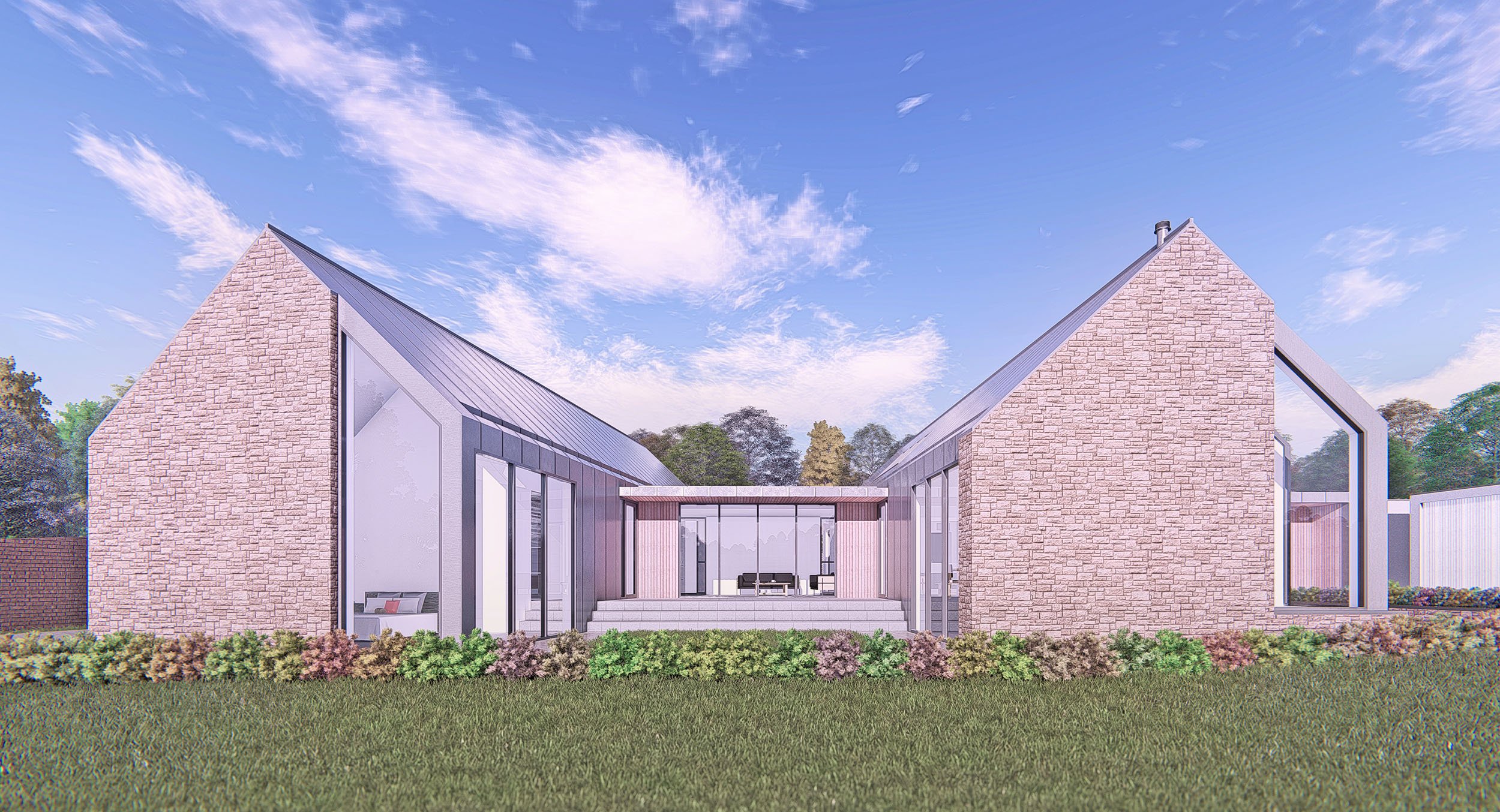
Understanding whether your land is suitable for development.
Part of our wider work on Self-Build Homes in Angus.
Planning policy, site context and design judgement shape what is possible
Whether land can be developed in Angus depends on more than ownership alone. Planning policy, site conditions, access, services and how a proposal responds to its surroundings all play a role. Some plots are clearly suited to development, others may appear straightforward but carry hidden constraints and some require careful assessment to establish whether a new home is acceptable in principle.
Understanding this early can save significant time, cost and uncertainty — particularly before purchasing land or committing to detailed design work.
Is my land suitable for development?
In Angus, decisions about new homes are shaped by national policy, local planning guidance and how individual sites relate to their setting. While each proposal is assessed on its own merits, there are consistent factors that influence whether development is likely to be supported.
A realistic assessment looks beyond whether land is simply available and instead considers how convincingly a new home can be justified in planning terms.
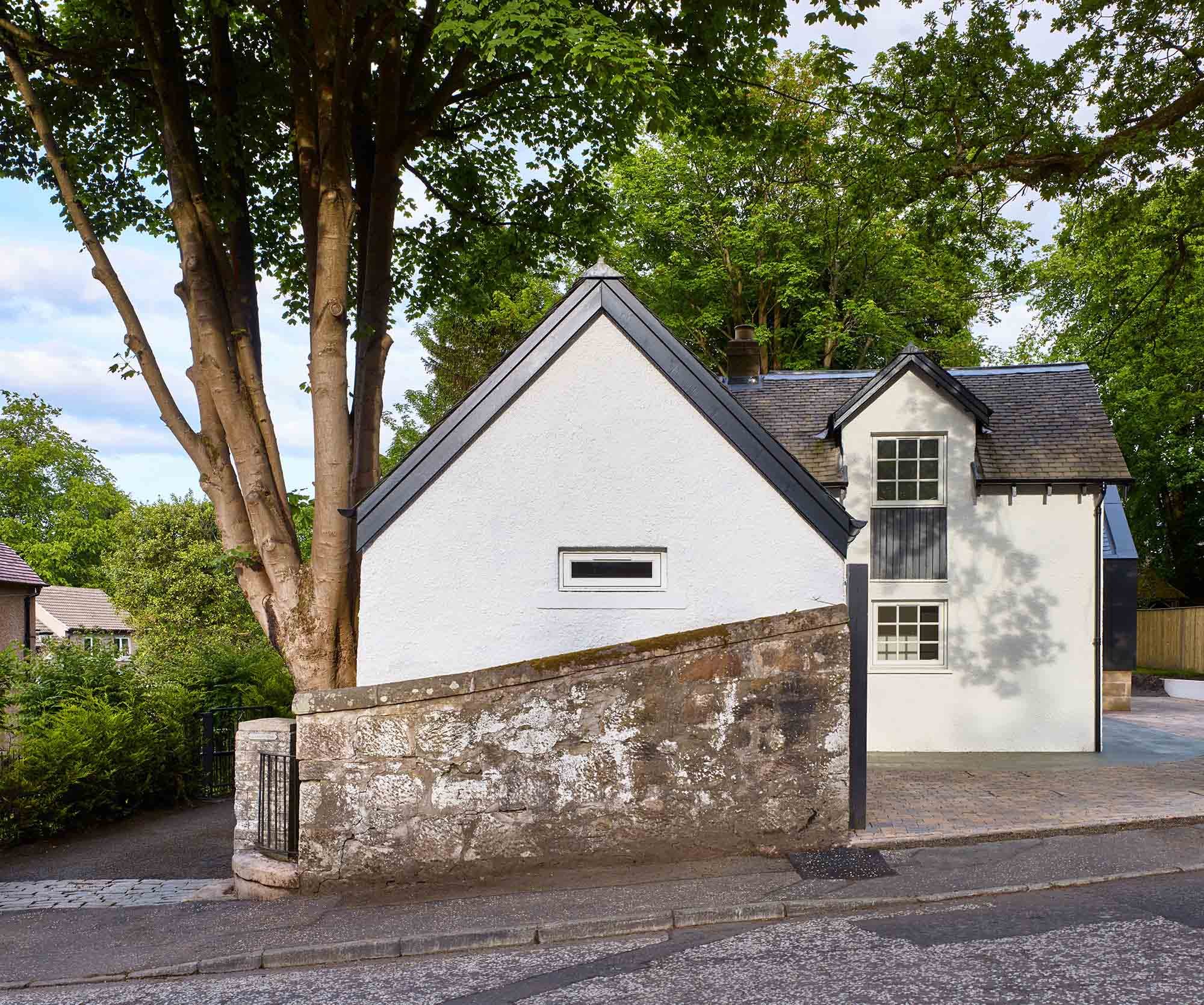
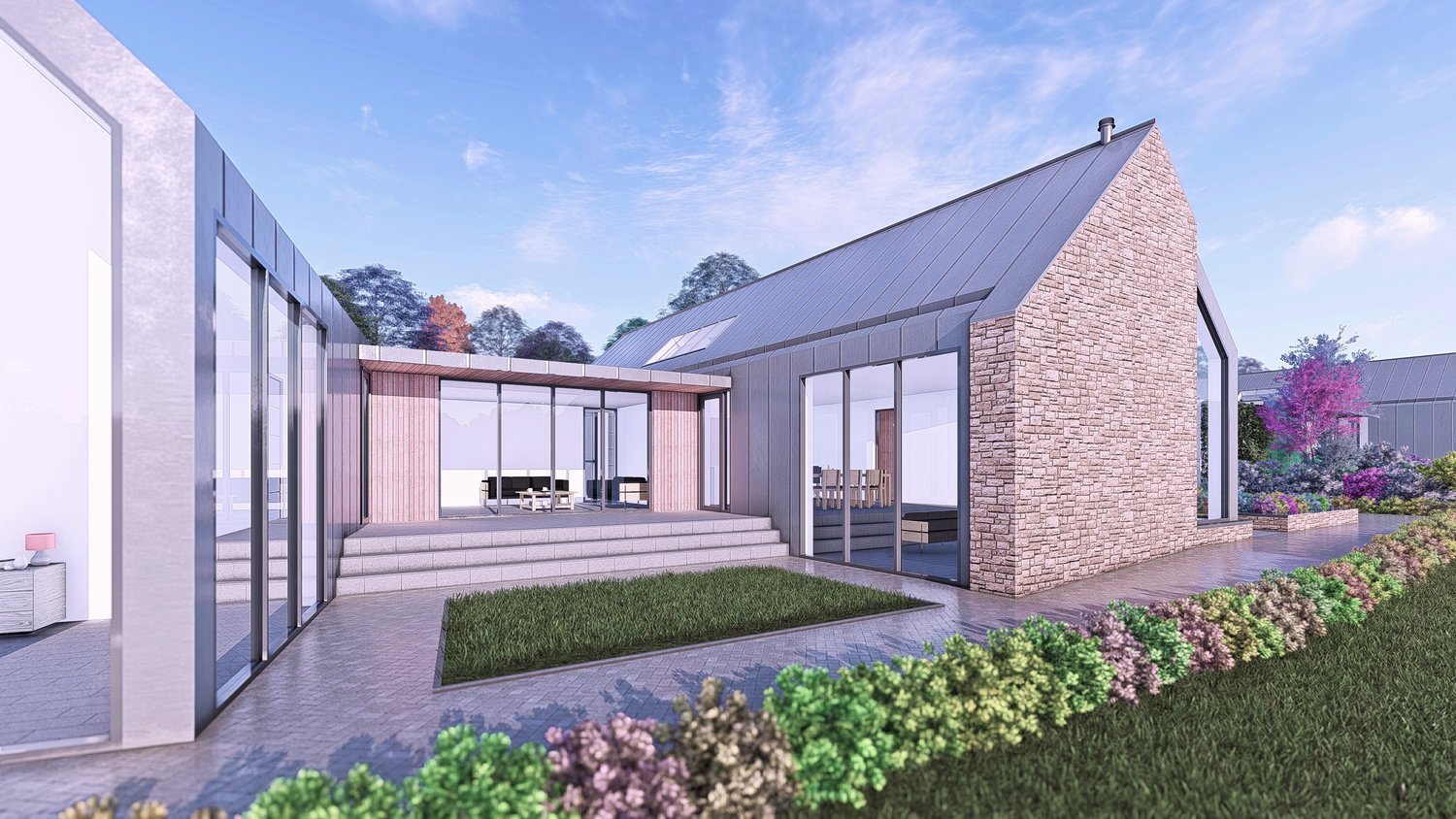
Planning policy and location.
One of the first considerations is whether the site sits within a settlement boundary, at its edge, or in the open countryside.
Land within towns and villages is generally assessed differently from land in more rural locations, where stricter controls apply. That said, being outside a settlement does not automatically rule out development. Many self-build homes in Angus are approved because they respond sensitively to landscape, scale and local character.
Planning policy sets the framework, but it does not replace professional judgement.
Site history and planning context.
A site’s planning history can provide useful context, but it is rarely decisive on its own.
Previous permissions, historic uses, or evidence of former buildings may support an argument for development, but planning decisions are contextual rather than transferable. Nearby approvals do not guarantee consent, and older permissions may carry limited weight if policy or circumstances have changed.
Each new proposal must be assessed on its own merits.
Access, services and physical constraints.
Practical considerations are often as important as planning policy.
Safe access, visibility, drainage, flood risk, availability of services, and the relationship to neighbouring properties can all influence whether development is acceptable. Features such as trees, boundaries, changes in level, and existing buildings also shape what is realistically achievable on a site.
Identifying these constraints early allows a proposal to be shaped around them rather than discovering problems later in the process.
Design response and planning judgement.
In many cases, the critical question is not simply can you build, but how you build.
A well-judged design that responds carefully to its setting — in terms of scale, form, materials and landscape impact — can make the difference between refusal and approval. In Angus, successful self-build projects are often those that feel proportionate and appropriate to their context rather than overly assertive.
This is where architectural judgement and an understanding of how planning policy is applied in practice become essential.
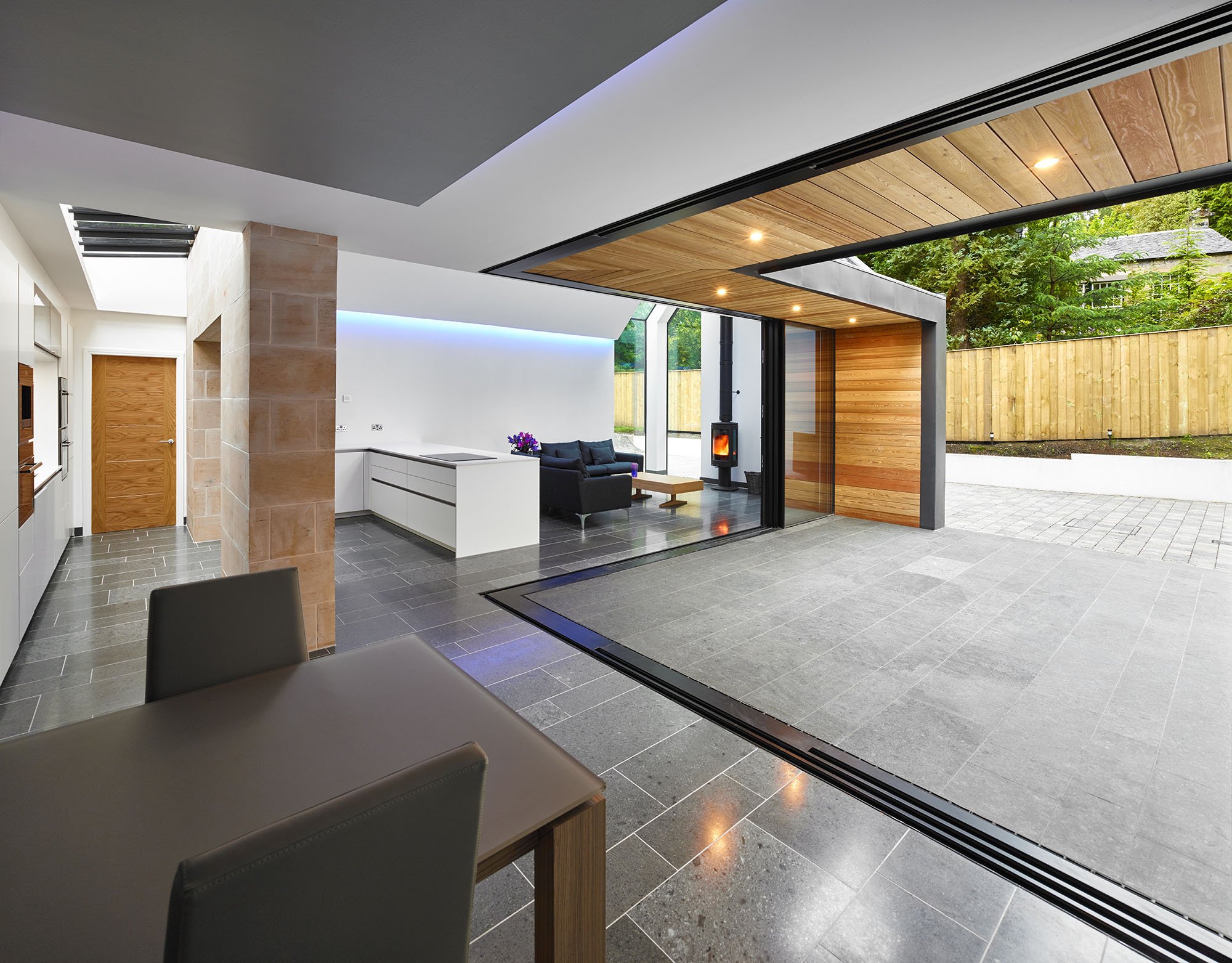
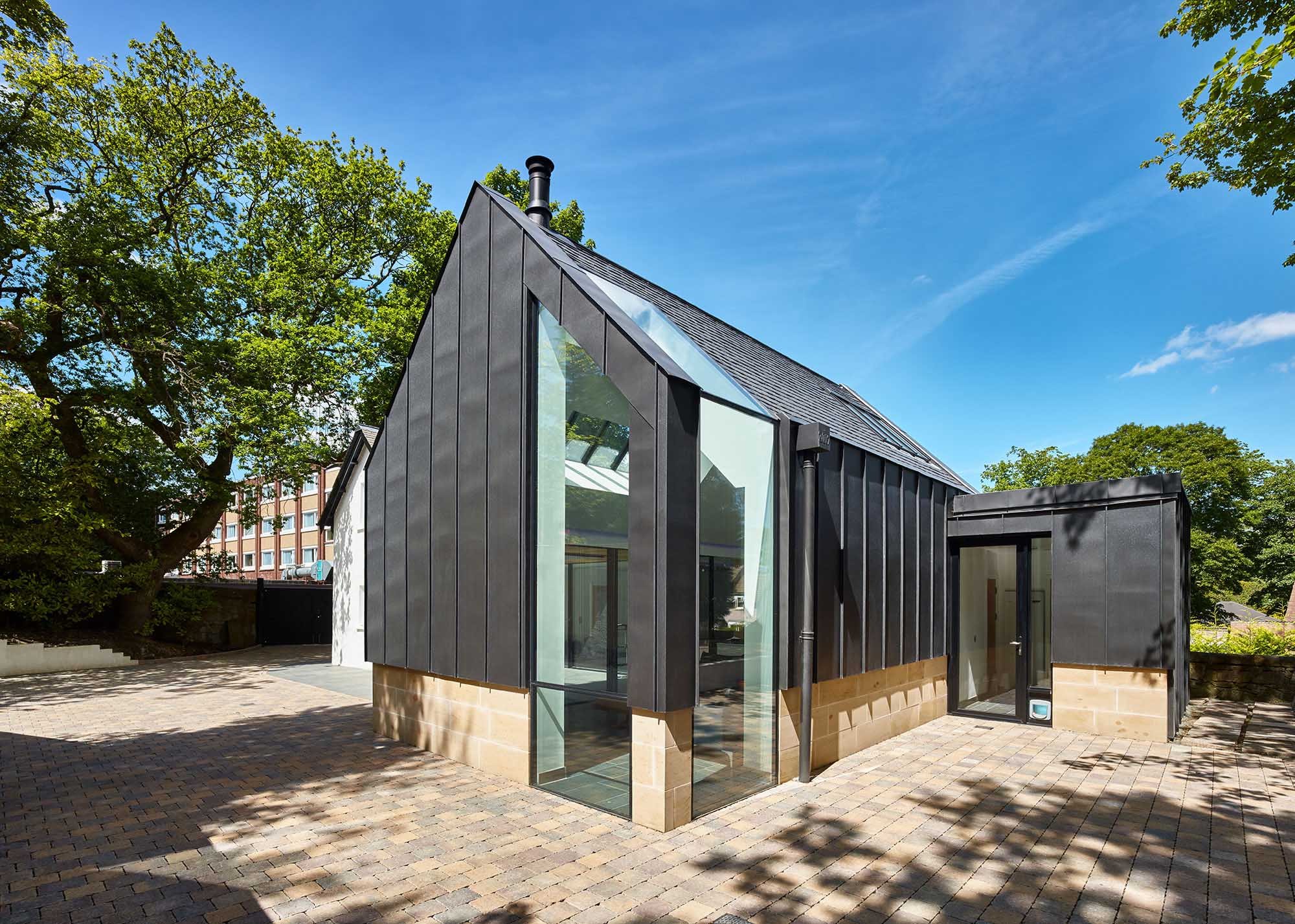
Common situations we are asked to consider.
We are often asked to advise on situations such as:
The land isn’t allocated for housing — does that mean development is unlikely?
Not necessarily. Allocation can help, but many self-build homes are approved on unallocated land where the proposal is well-reasoned and carefully sited. It does increase risk but there are means to address this through early stage engagement and potential applications for Planning Permission in Principle which do no require a full scheme design to be developed.The site is outside a village — is that a non-starter?
No. Proposals in rural locations are assessed carefully, but can succeed where they respond appropriately to landscape, access and scale.There was a house here historically — does that support a new one?
It can (and does) provide useful background, but it does not guarantee support. The relevance depends on how recent and comparable that use was.The site is visible from the road — is that a problem?
Visibility is a factor, but not a decisive one. How a building sits in the landscape and its overall design quality is more important than whether it can be seen.
Each of these situations requires a measured, site-specific assessment rather than a simple yes-or-no answer. However these are questions that can typically be addressed in an early stage, stand alone piece of work or feasibility study.
Taking an informed first step.
If you are considering building on your land in Angus and want an honest view on whether development is likely to be supported, an early discussion can help clarify the planning position before you commit to purchasing land or progressing a full design.
Our work with self-build homes in Angus is grounded in careful assessment, realistic advice and a clear understanding of how planning decisions are made in practice.