
National Planning Framework 4 | For Homeowners & Developers
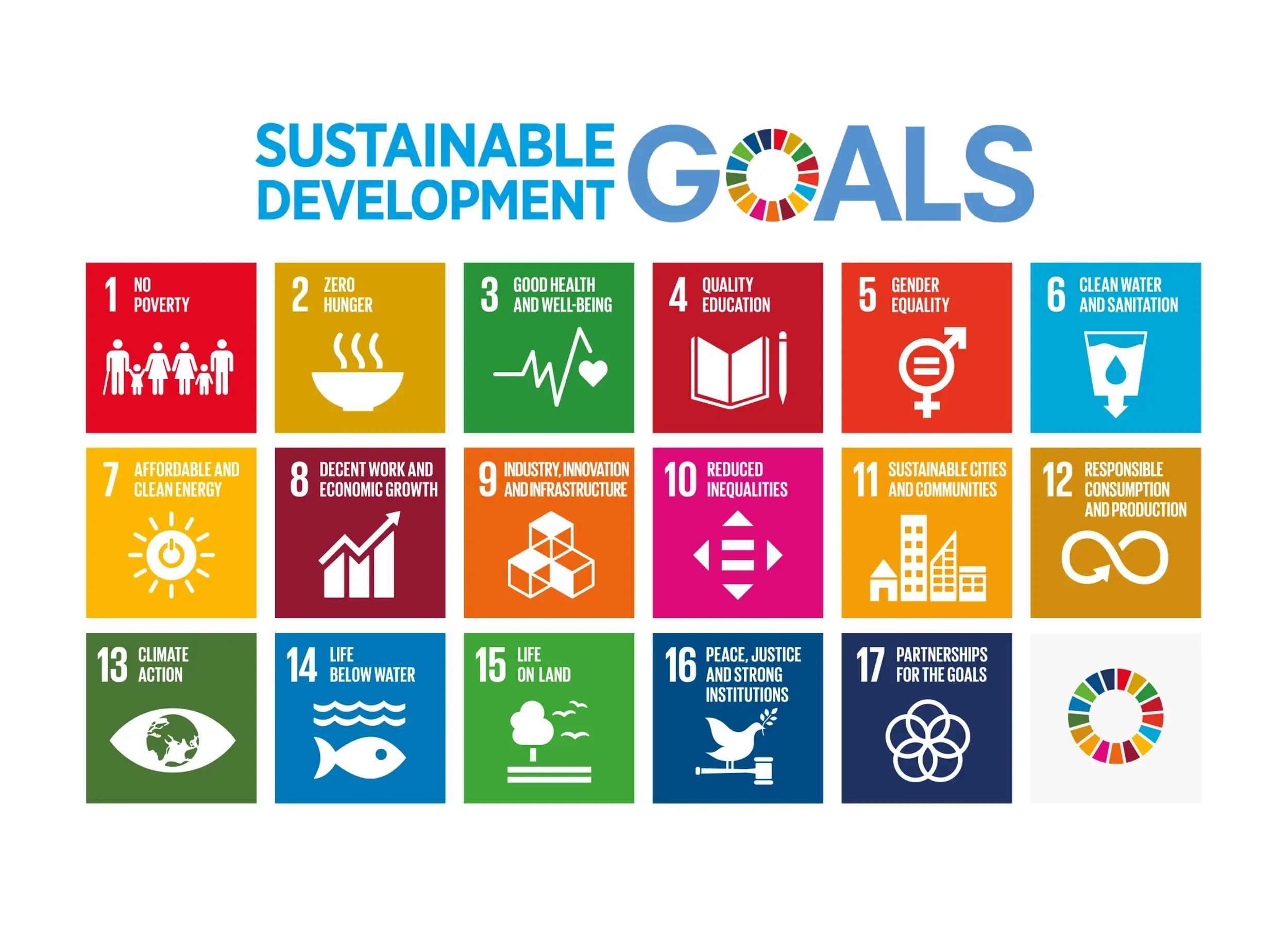
National Planning Framework 4 (NPF4) marks a fundamental change in how planning decisions are made in Scotland. Adopted as part of the Scottish Government’s long-term strategy for sustainable growth, it now forms part of the statutory development plan and applies to every planning decision, from modest home improvements to strategic development.
At 125Architects, we work with homeowners and developers across Scotland — including Dundee, Tayside, Perthshire and the wider Central Belt — and NPF4 is now central to almost every early conversation we have about feasibility, risk and opportunity.
This article explains what NPF4 actually means in practice, why it matters and how it is already influencing real-world planning outcomes.
What is National Planning Framework 4?
NPF4 is Scotland’s national spatial strategy, setting out where development should take place and just as importantly, the qualities that development should demonstrate.
Unlike previous frameworks, NPF4 now carries full statutory weight and can override Local Development Plans where there is conflict. Planning authorities must therefore consider national priorities alongside local policies when assessing applications.
The framework is underpinned by a small number of clear ambitions:
Addressing the climate emergency and supporting a transition to net zero.
Encouraging compact, walkable and well-connected places.
Prioritising the reuse of existing buildings and land.
Raising expectations around design quality and placemaking.
These ambitions are not abstract aspirations — they directly shape how planning officers and committees assess proposals.
From compliance to outcomes: a change in planning culture.
Perhaps the most significant shift introduced by NPF4 is a move away from a purely guidance-based system towards an outcomes-led approach.
Where planning policy was once often applied as a checklist, NPF4 encourages decision-makers to exercise judgement. The focus is increasingly on whether a proposal delivers positive outcomes rather than simply meeting minimum standards.
Planning authorities are now routinely asking:
Does this proposal contribute to a low-carbon future?
Does it respond positively to its context and surroundings?
Will it help create a healthier, more liveable place?
For applicants, this introduces a degree of subjectivity. However, it also creates space for thoughtful, well-argued and design-led proposals to succeed — even where sites are constrained.
What NPF4 means for homeowners.
For homeowners, NPF4 does not signal an end to extensions, alterations or new homes. Instead, it reframes how such proposals are assessed. If you are a homeowner at an early stage, you can see our guide on Planning Permission & Home Extensions to assist with further focussed research.
Extensions, alterations and new homes.
Domestic development remains supported in principle, but there is now greater emphasis on:
Making efficient use of land and buildings.
Responding sensitively to neighbourhood character.
Designing for long-term performance and adaptability.
In many established areas across Dundee, Perthshire and Tayside, we are seeing closer scrutiny of scale, massing and materials. Proposals that demonstrate an understanding of place — rather than relying on generic solutions — tend to be more positively received.
As an architect based in Dundee, we regularly work on residential projects where careful massing, material choice and layout are key to securing planning support.
Retrofit, reuse and existing buildings.
NPF4 places strong policy support behind the reuse, adaptation and improvement of existing buildings. This reflects both climate objectives and a recognition of the social and cultural value embedded in Scotland’s building stock.
For homeowners considering renovation, conversion or energy upgrades, this can be a positive shift. Improving energy efficiency, extending building life and avoiding unnecessary demolition all align closely with national policy priorities.
This is particularly relevant for traditional and historic buildings, where careful design and detailing can unlock planning support while protecting character. For people considering a heritage project, you can find further information on Assessments of Significance and Heritage Impact Assessments on our website and how these can support you to make informed decisions prior to submitting applications for planning permission.
The importance of early design thinking.
Because NPF4 places greater weight on outcomes and design quality, early design input is more important than ever. Clear design intent, supported by concise diagrams and well-reasoned statements, helps planning authorities understand how a proposal responds to policy.
In our experience, this early clarity can significantly reduce risk and uncertainty later in the process.
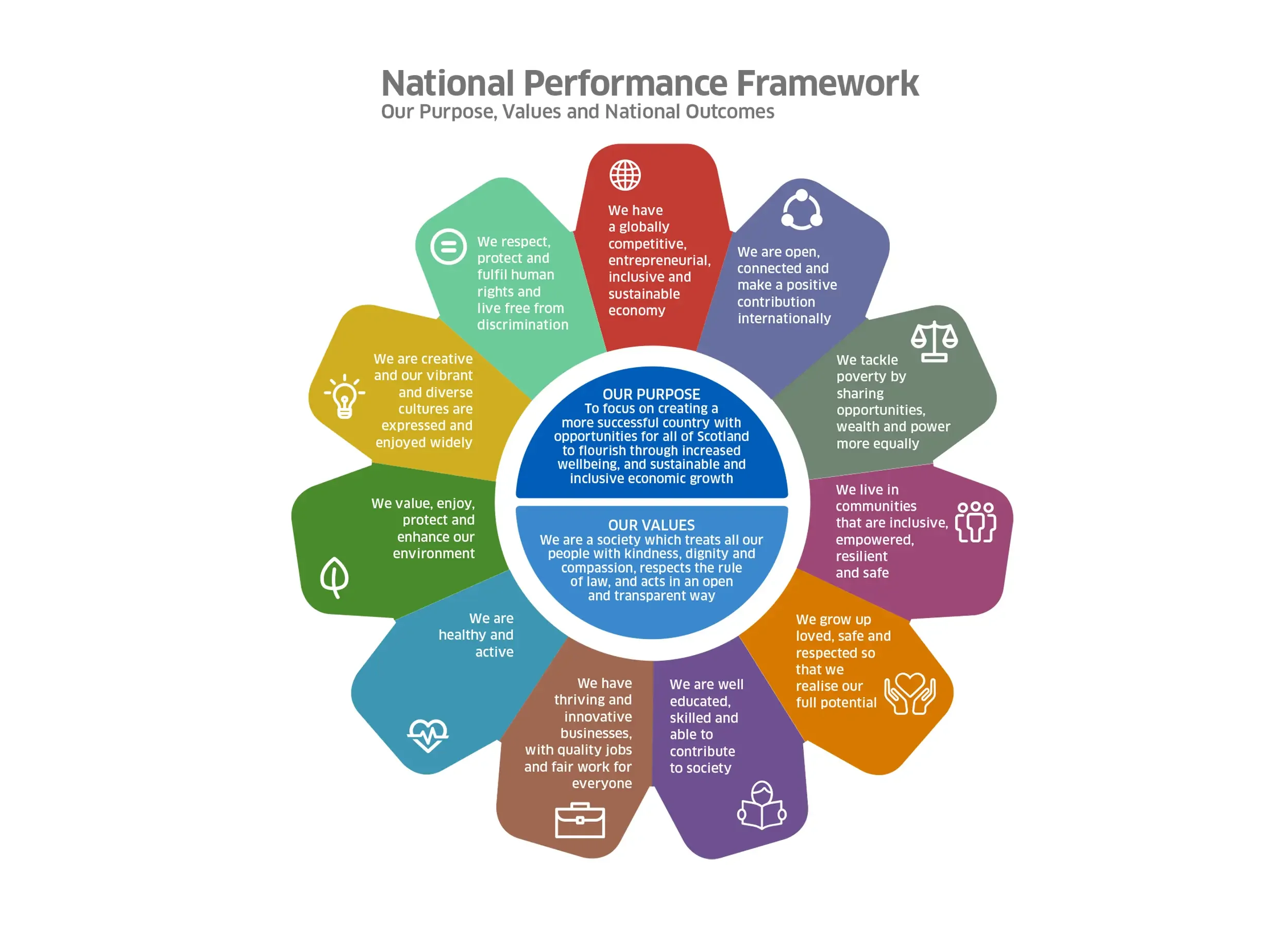
What NPF4 means for developers.
For developers, particularly small and medium-sized operators, NPF4 represents a shift in emphasis rather than a restriction on development activity.
Net zero and sustainability expectations.
Sustainability is now a central consideration. NPF4 expects proposals to demonstrate how carbon emissions have been minimised and how development contributes to longer-term environmental goals.
This does not imply a one-size-fits-all technical solution, but it does require clear evidence of intent. Across Central Scotland, sustainability considerations are now a routine part of pre-application discussions.
As a practice we have specialised in the reuse of existing buildings, retrofit to achieve high levels of energy efficiency and integrating low and zero carbon technologies into our projects since the very beginning, more than a decade ago. Our project The Coach House was a reuse of a traditional stables and coach house and was a deep retrofit designed to meet contemporary standards, heated with a ground source heat pump and with no gas supply - innovative at the time. Similarly at Arnothill, this project reinvented former outbuildings to the Carmelite Convent and introduced air source heating and underfloor heating throughout, alongside high levels of insulation, all within a conservation context.
‘A circular economy is one that is designed to reduce the demand for raw material in products; to encourage reuse, repair and manufacture by designing products and materials to last as long as possible in line with the waste hierarchy.’
Design quality as a planning advantage.
NPF4 gives explicit weight to design quality and placemaking. Schemes that respond intelligently to site constraints, movement patterns and local character are increasingly viewed as lower risk from a planning perspective.
For developers, this means good design is no longer an optional enhancement — it is an integral part of planning strategy and can materially influence outcomes.
Does NPF4 make planning more difficult?
This is a common concern, but the reality is more balanced than many headlines suggest.
NPF4 raises expectations, particularly for proposals that are poorly justified or disconnected from their context. However, it also provides a clearer framework for supporting well-considered development.
Projects that are:
Policy-aware.
Design-led.
Clearly explained.
are often better placed to secure support, even on sensitive or complex sites.
The role of the architect under NPF4.
Navigating NPF4 is less about quoting policy and more about interpreting its intent.
At 125Architects, our role is to translate national objectives into site-specific design responses — balancing policy, context, technical requirements and client ambition.
This approach supports constructive dialogue with planning authorities and helps ensure proposals are assessed on their merits.
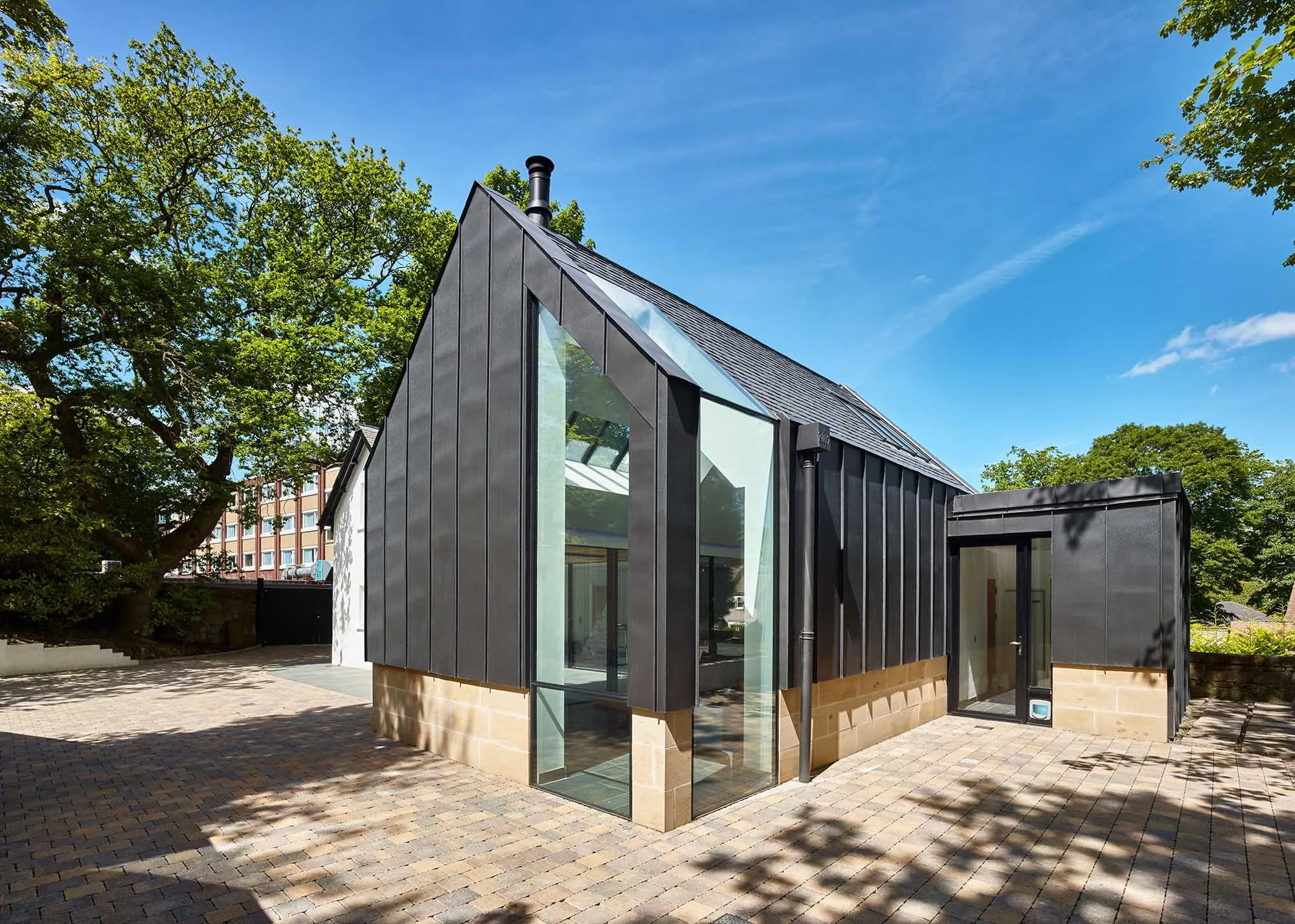
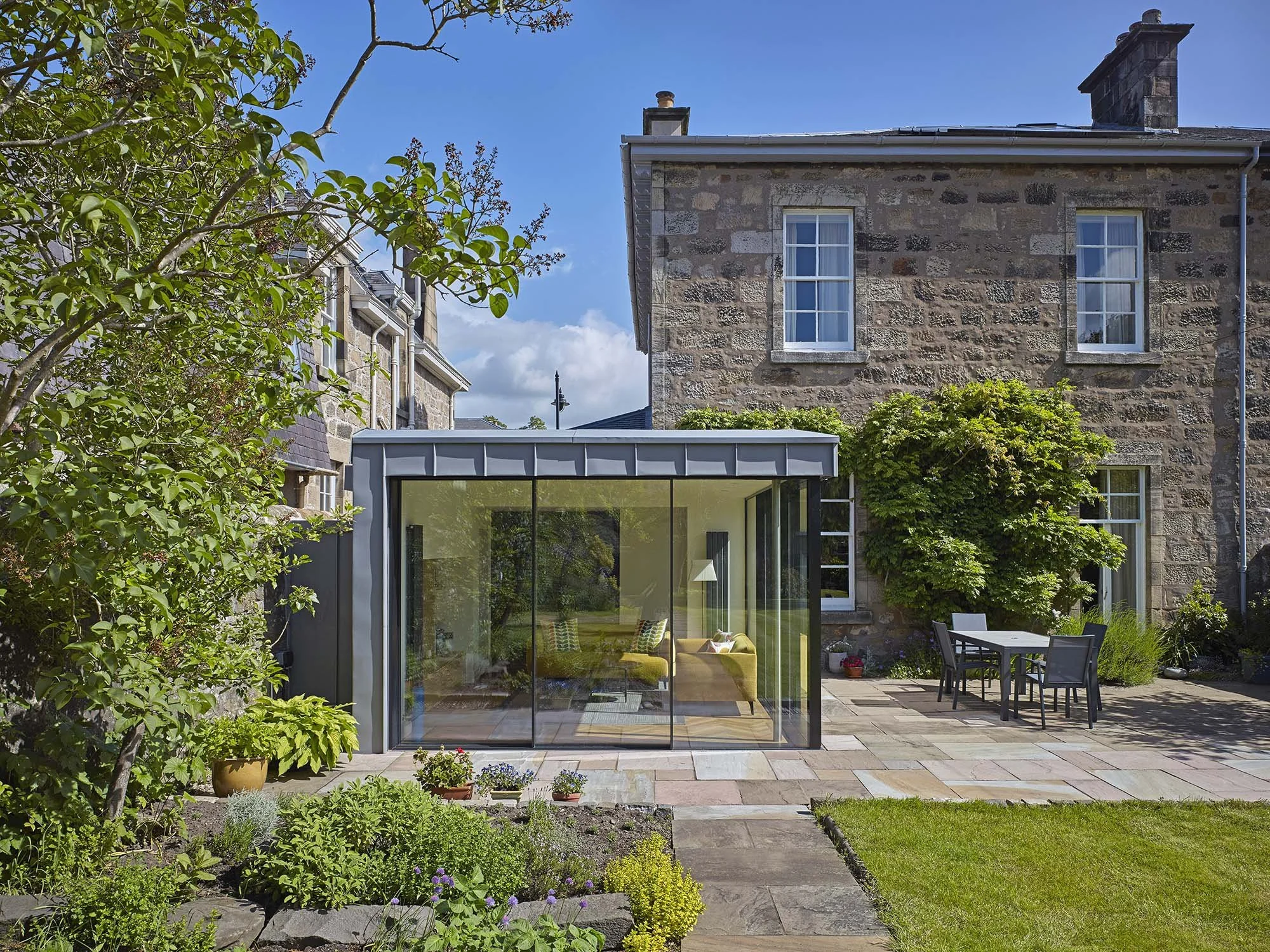
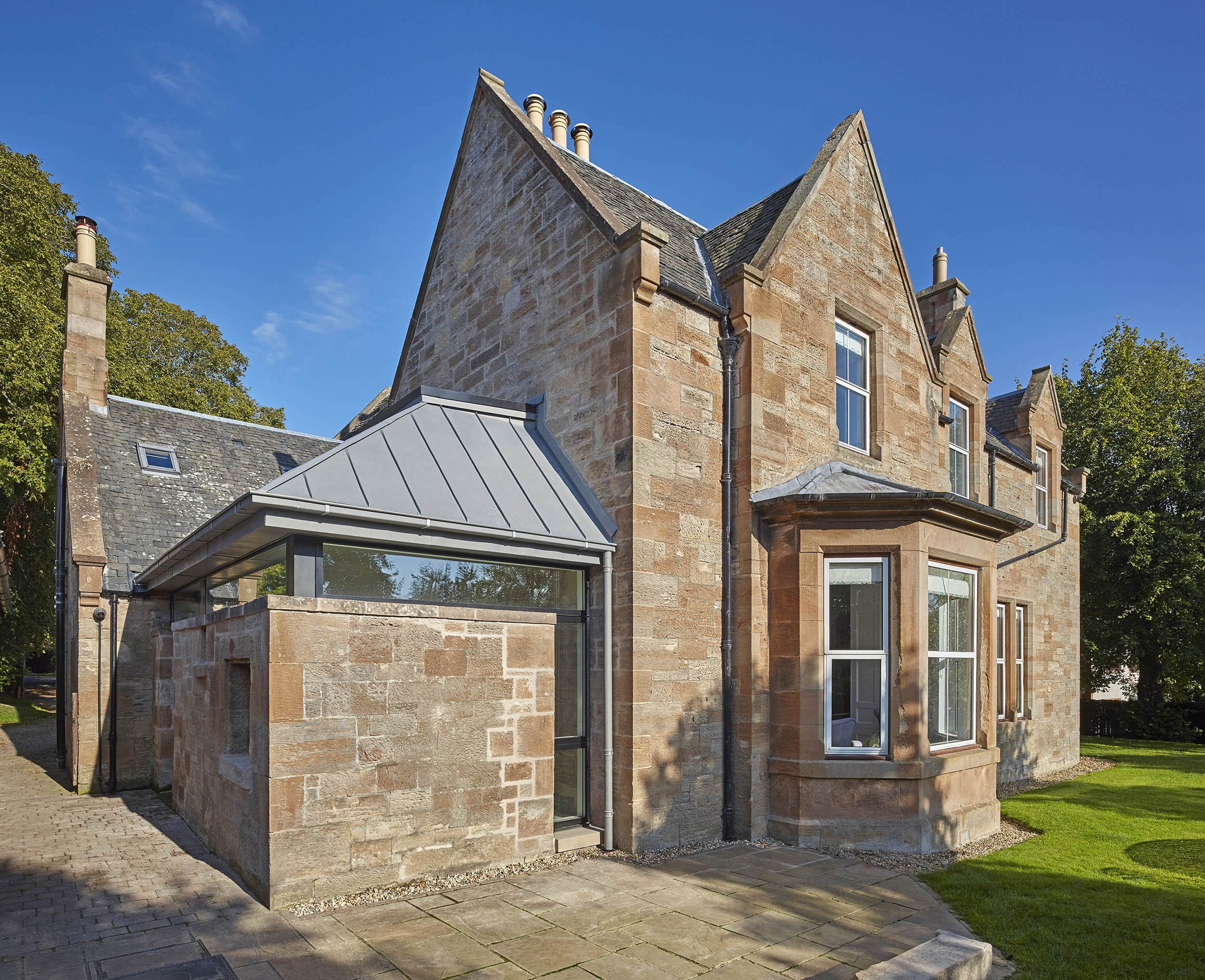
Some examles of our projects where quality led design has provided successful outcomes, even in the most sensitive of contexts are illustrated below. Read more about the full range of architectural services we offer on our services page.
Final thoughts: a framework that rewards quality.
National Planning Framework 4 reflects a broader cultural shift in Scottish planning — one that places greater value on sustainability, context and long-term quality.
For homeowners and developers, the key message is that how a project is conceived and communicated now matters as much as what is proposed.
Approached thoughtfully, NPF4 should be seen not as an obstacle, but as a framework that encourages better decision-making and more resilient places. Early, informed design thinking is increasingly central to achieving successful outcomes.