
Planning Permission & Home Extensions in Dundee.
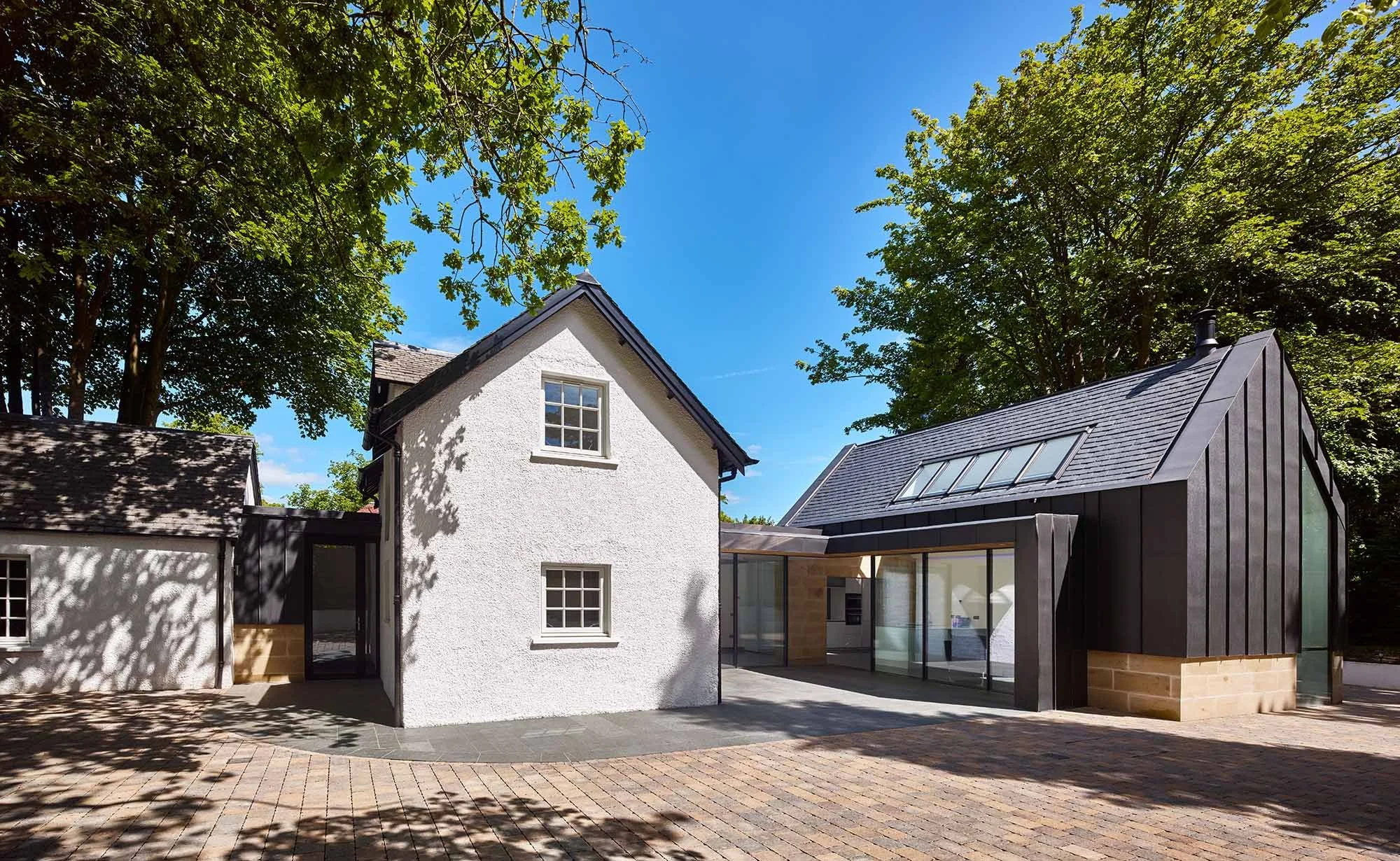
Create your dream home with a local architect.
Renovating, extending or altering your home in Dundee can be an exciting opportunity — but it also comes with a specific planning context. Dundee City Council’s Householder Development Guidance sets out clear expectations for extensions, dormers, outbuildings and boundary changes, while the Scottish Government’s Homeowner Permitted Development Rights define what can be built without a full planning application.
Whether you’re planning a modest extension or a whole house refurbishment, understanding the difference between permitted development, planning permission and listed building consent is essential. Correctly navigating these requirements prevents delays, minimises risk of refusal and costly redesigns — and ensures that every choice you make enhances your home and its context.
As experienced local architects, we have been guiding homeowners through these procedures across Scotland for a decade and more. Below, we break down the essentials of planning permission in Dundee, enriched by the latest guidance from both Dundee City Council and the Scottish Government.
Understanding when planning permission is required.
Not all projects need planning permission — but in practice, most do. The starting point is understanding the difference between permitted development and applications that require planning consent.
Permitted development in Scotland.
Under the Scottish Government’s Homeowner Permitted Development Rights (2024), you may not need planning permission for certain smaller works if:
The extension or alteration is within the rear curtilage of the house.
The increase in footprint or height is within permitted development dimensional limits.
The property is not a flat, maisonette, listed building or within a conservation area.
The materials used are ‘similar in appearance’ to the existing home.
The work does not reduce parking provision or harm neighbour amenity.
Permitted development rights are significantly restricted (or removed entirely) for:
Listed buildings.
Conservation areas.
Flats.
Properties with previous extensions or restricted curtilage.
Even when permitted development applies, we recommend applying for a Certificate of Lawfulness to protect you during future property sales, conveyancing and mortgage valuations.
Projects that typically require planning permission.
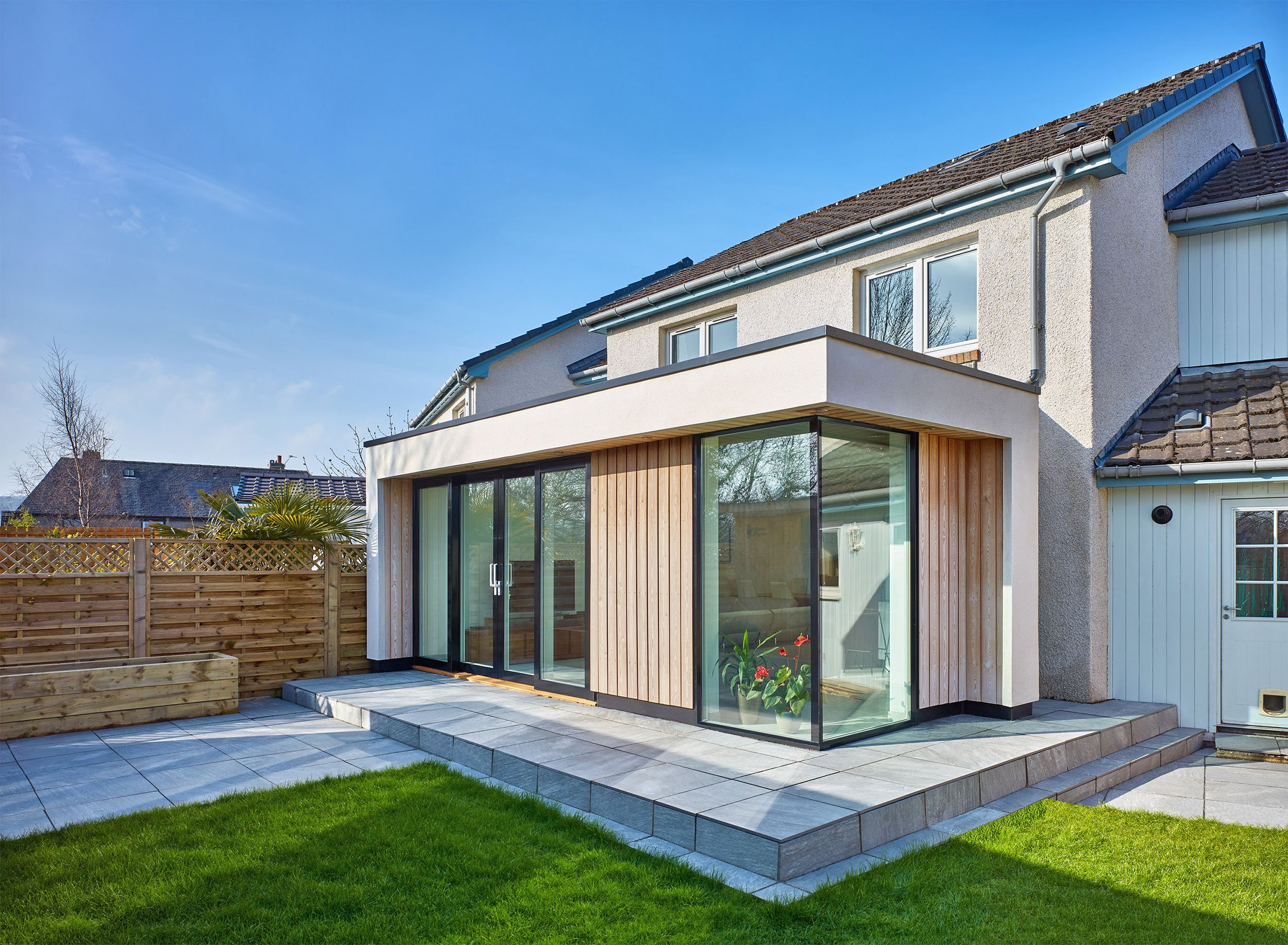
Most extensions, particularly where scale, position or relationship to boundaries exceeds permitted development limits. In our experience, this is most of the time.
Any alteration to a listed building – internal or external.
All works in conservation areas altering the external appearance (windows, roofs, boundary treatments, extensions, outbuildings)
Dormers on front elevations and all dormers in conservation areas.
Outbuildings that are large, close to boundaries or in front gardens.
Decking, balconies or raised platforms above 0.5m.
Driveways requiring new access crossings or affecting parking provision.
Architect involvement ensures that your proposal is designed with these constraints in mind rather than running into problems later.
Dundee Conservation Areas & Listed Buildings.
Dundee includes several conservation areas and numerous listed buildings. These areas have heightened statutory protection because of their value to the city’s architectural character.
If you live in a conservation area:
All external alterations require planning permission.
Windows, doors and roof materials must complement the original character - note complement does not always mean match.
Extensions must respect scale, proportion and massing.
Boundary changes — walls, railings, hedges and fences — require consent.
Outbuildings in front gardens are unlikely to be acceptable.
Dundee City Council guidance emphasises:
Avoiding ‘over-dominant’ extensions.
Maintaining the original building line.
Retaining usable garden ground.
Avoiding overshadowing, overlooking or overbearing impacts.
If your property is listed:
Any change affecting character or fabric needs listed building consent, including:
Moving internal walls.
Replacing windows and doors.
Replacing roof coverings.
Any works that affect decorative elements.
This is where conservation-experienced architects are essential — we prepare Design Statements, Assessments of Significance, Heritage Impact Assessments as appropriate to support the particular application. This process doesn’t have to be difficult, they key is to work with a team with skills and experience in this specialist area which will make life easier for you and for the local authority officers assessing the application.
Designing a high-quality proposal (and why it matters).
A strong planning application does more than supply drawings. Dundee City Council specifically states that good design must:
Complement the existing property - this can be in a contemporary manner.
Respect neighbouring amenity.
Use appropriate materials.
Maintain proportions, privacy and garden ground.
The Scottish Government reinforces these principles through permitted development dimensional standards and amenity protections.
A high-quality planning package should include:
High quality drawings (existing and proposed plans, sections and elevations).
Contextual diagrams showing relationship to neighbours and boundaries.
Explanation of the key design moves, the considerations and what led to the final decisions.
Daylight and overshadowing analysis where impact is in question.
Design and Access Statement.
Heritage or Conservation Statement where projects involve Conservation Areas or Listed Buildings.
Material palette and detailing strategy.
3D visuals or photomontages.
A well-prepared submission reduces delays, reassures planning officers and substantially increases your likelihood of approval.
Pre-Application Advice from Dundee City Council
Dundee City Council offers an optional paid, online (ie not a meeting simply written feedback) pre-application advice service which is available via their website. This can be useful when:
You are purchasing a property or plot and want to de-risk prior to concluding missives.
You are proposing an unusual or especially large extension.
The site is sensitive, constrained or there are issues of particular issues of sensitivity within a conservation area.
The planning policy position is unclear.
However, for most householder extensions and many new build homes — especially where the design is straightforward — a full pre-app may not provide meaningful advantage.
Your architect can suggest when pre-app is (or isn’t) worth pursuing. If you are in any doubt raise it with your architect and be clear if you wish this included in your Architect’s appointment.
Common pitfalls & how to avoid them.
Based on Dundee’s guidance and our experience, these are the issues that most often cause planning delays:
Design pitfalls.
Extensions dominating the original house form.
Developing in front of the building line.
Loss of parking provision.
Overlooking within 18 metres (Dundee’s key privacy rule - which some other local authorities now consider outdated).
Overshadowing adjacent properties.
Poor materials selection.

Process pitfalls.
Submitting incomplete drawings or inadequate information.
Relying on outdated permitted development assumptions.
Developers ignoring conservation and heritage constraints.
Beginning work without approval (a costly mistake).
Poorly conceived design proposals that do not understand or respect their context.
Working with a local architect should ensure the process is as smooth as possible.
Why working with a Dundee Architect makes all the difference.
A local architect provides:
Expert knowledge: We understand Dundee City Council policy, Householder Development guidance, conservation area requirements and permitted development limitations — and we understand what is likely to be supported before design begins.
Design excellence: Architect designed extensions and renovations are most likely to genuinely improve your home — both functionally, aesthetically and in terms of value — while respecting policy and context.
Are you ready to have a no obligation chat?
Get in touch to start shaping your ideas into a well-designed, exciting and deliverable project.