How do I find a plot for my new self-build home?
Elie & Earlsferry | Architects Serving St Andrews & East Neuk
Finding a plot that aligns with your aspirations may be one of the most challenging aspects of any self build process. The land purchase is likely to be the single biggest outlay you will make. Often finding a plot means thinking hard about what is really important. The idyllic seaside or waterfront location may not ultimately be what you end up purchasing, but don't be disheartened. Whilst these locations may be what one always imagines; beautiful homes can be made in many different contexts. As architects we often find that the more challenging the site, the more interesting the outcomes, so keep an open mind.
Where do I want to build my new self-build home?
Deciding where you want to be is the first thing anyone has to do when looking to relocate. Set an area and then determine a suitable radius that will allow you to focus your efforts. Often this may be defined by proximity to local amenities such as transport links or school catchment areas. Remember that such amenities are valuable for everyone and as such plots that are immediately accessible will be in high demand. Flexibility is important alongside dedication to the task at hand.
Get out there and look!
Once you have decided where you want to build, get out there and get to know the area well. Walking or cycling around an area with a particular focus on identifying possible self build plots is a great way to identify the possibilities. Doing it on foot is a better way than driving as it allows to you experience the area and stop easily at points of interest. Look for existing properties with extended gardens, disused outbuildings or stand alone garages. Consider writing or contacting owners of such properties, you may find that they didn't realise that they have a potential revenue generator.
Engaging with local people and businesses or those who have recently completed their own project in the area you want to live is another great way to gather information. People who have completed their own project will likely have gone through a similar process to yourself. Local architects, surveyors and estate agents are another good source of information and may be able to help. In some areas local council may offer serviced plots to encourage self build and reduce housing shortfall. These are becoming known as custom build and offer safety in knowing that the land is developable and already provided with utilities.
Be flexible.
First impressions are important, but when looking for a self build plot it is really important to look and then look again. Think creatively and keep an open mind. Look for gap sites, consider sites with disused buildings, consider houses that already exist which may not represent your ideals in their current form but understand that they can be adapted, extended and improved. Look on the Buildings at Risk Register, you may find a property that could be converted to your dream home.
Any other things to think about when looking for a self-build plot?
Determine your budget and the type of plot you are looking for, such as size, location, and any specific features you may want.
Contact a local estate agent, architect or property developer. They may be able to help you find a building plot that is for sale or may be able to help you identify potential plots that are not currently on the market.
Check online real estate websites, such as Rightmove, Zoopla or Nova Loca. These websites often have a wide range of properties available, including building plots.
Search local council websites or planning departments. Many councils in Scotland have a list of available building plots on their websites, or you can contact them to see if there are any plots available in your area.
Network with other property developers or builders. They may be aware of potential building plots that are not widely advertised.
It's also a good idea to speak with a solicitor or conveyancer to understand the legalities of purchasing a building plot in Scotland. They can help you navigate the process and ensure that you are protected as you search for and purchase your plot.
I have tried local estate agents and solicitors but still can't find a building plot, any other ideas?
If you have already tried local estate agents and solicitors and have been unable to find a building plot, you may want to try the following:
Expand your search: Consider looking for plots in surrounding areas or further afield. You may have more luck finding a plot in a less densely populated area.
Check online classifieds websites such as Gumtree or self-build forums may have building plots for sale that are not listed on traditional real estate websites.
Use a land-finding service: These services specialize in helping people find land that meets their specific criteria. They may be able to help you find a building plot that is not widely advertised.
Consider purchasing a plot with planning permission: Buying a plot with planning permission in place can save time and hassle, as you will not need to go through the planning process yourself.
You should also keep an eye out for plots that may become available in the future. You may be able to find a plot that is not currently for sale but may become available in the future, either through a land-finding service, networking with other property professionals or even by speaking with owners of estates or houses with very large garden grounds.
What constraints should i be aware of when looking for a self build plot for my new home?
There are several constraints you should be aware of when looking for a building plot in Scotland:
Planning permission: You will need to obtain planning permission from the local council before you can build on your plot. This process can be time-consuming and may involve submitting detailed plans for your proposed development. But it also allows you the freedom to design your home exactly how you want it.
Building Warrant: In Scotland, all new buildings must comply with the Building (Scotland) Regulations 2004. These regulations cover a wide range of issues, including the materials used, the energy efficiency of the building, and the health and safety of the occupants.
Environmental constraints: There may be environmental constraints on your building plot, such as flood risk, protected wildlife habitats, or archaeological sites. You will need to take these into account when planning your development.
Land ownership: You will need to ensure that you have a clear title to the land and that you have the right to build on it. It's a good idea to speak with a solicitor or conveyancer to help you navigate any potential issues with land ownership.
Utility connections: You will need to arrange for the connection of utilities, such as water, electricity, telecommunications and sewage, to your building plot. This can involve working with multiple service providers and may incur additional costs.
Access: You will need to consider access to your building plot, both for construction vehicles and for the eventual occupants of the property.
It's a good idea to speak with an architect to help you navigate these constraints and ensure that your development is feasible. We can help you identify any additional constraints that may be specific to your location or development.
I have found a self build plot but it doesn't have a mains electricity connection, can i still build my home on this site?
It is possible to build a house on a plot that does not have a mains electricity connection, but it will require additional planning and may involve additional costs. Here are a few things to consider:
Alternative electricity sources: You may be able to use alternative electricity sources, such as solar panels or a wind turbine, to power your house. These options can be more expensive upfront but may save you money in the long run.
Connecting to the grid: You may be able to connect to the electricity grid, but this will likely involve additional costs and may require the approval of the local council. Do not underestimate the potential costs associated with abnormal connections or transformer upgrades as these can run to tens or even into hundred of thousand pounds.
Off-grid living: If you are unable to connect to the electricity grid, you may need to consider living off the grid. This will involve using alternative energy sources such as photovoltaics or wind turbines for electrical generation, heat pumps to provide hot water and space heating. It may also be appropriate to consider use of biomass boilers or wood burning stoves to provide space heating and hot water that is not reliant on an electrical supply.
I have found a self build plot but it doesn't have a mains drainage connection, can i still build my home on this site?
It is possible to build a house on a plot that does not have a mains drainage connection, but it will require additional planning and may involve additional costs. Here are a few things to consider:
Alternative drainage systems: You may be able to use an alternative drainage system, such as a septic tank or a sewage treatment plant, to manage the waste from your house. These options can be more expensive upfront but may be necessary if you are unable to connect to the mains drainage system.
Connecting to the mains: You may be able to connect to the mains drainage system, but if this is not located nearby it may prove more costly than an off mains solution. Off mains solutions involve more ongoing maintenance than connecting to the mains.
Surface Water: Surface water can be more easily discharged to soakaways or even a nearby water course with the appropriate consents.
Foul Water: Foul water will always need to be discharged to either a sewage treatment plant, septic tank or reed bed with facility to purify the contaminants in the effluent prior to final discharge to the environment.
What effect does sloping ground have on my self build home plot?
Sloping ground can have a number of effects on a self-build home plot:
Foundations: The slope of the ground can impact the design of the foundations for your home. On steep slopes, it may be necessary to use special foundation systems, such as piled foundations, which can be more expensive.
Cost: Building on a sloping plot can be more expensive, as it may require additional earthworks and engineering to stabilize the ground and prepare it for construction.
Access: Sloping ground can impact the accessibility of your plot, both for construction vehicles and for the eventual occupants of the home. You may need to install a driveway or other access infrastructure to make the plot accessible.
Appearance: The slope of the ground can impact the appearance of your home and the way it sits on the plot. A sloping plot may require a home with a multi-level design to make the most of the available space.
Design opportunity: Don’t be put off with a house on a sloping site! These plots, whilst presenting some challenges can offer many opportunities to provide unique and distinctive design.
Why are self build plots sold with planning permission? What are the benefits?
Plots are primarily sold with planning consent as this increases the value of the site. As a prospective buyer it can offer reassurance that many of the key issues have been addressed and that the site is recognised as being capable of accepting development for the desired use. It reduces risk associated with buying land. If Detailed Planning Permission has been granted for a site and the approved scheme doesn't represent what you want to build, don't disregard the plot. Planning consents can be amended and they still offer assurance as a prospective buyer that detailed issues have been addressed and it is likely that you will be able to achieve something that closely matches your aspirations.
If you are a land owner with a site which you believe could be developed, you can maximise your re-sale value by achieving planning consent for your land. We can help you to do this and will be glad to work with you through this process. There are two kinds of planning permission for this function. The first is Planning Permission in Principle or Outline Planning Permission. This is a simplified planning process which identifies that the local authority would consider the land as suitable for the particular use at a strategic level.
The second kind is Detailed Planning Permission. This kind of permission develops a particular scheme for a proposed site and submits a full application. This will deal with all of the detailed issues and yield full consent for a particular project to be built on a specific site. This is the best way of maximising the re-sale value of your land.
Resources
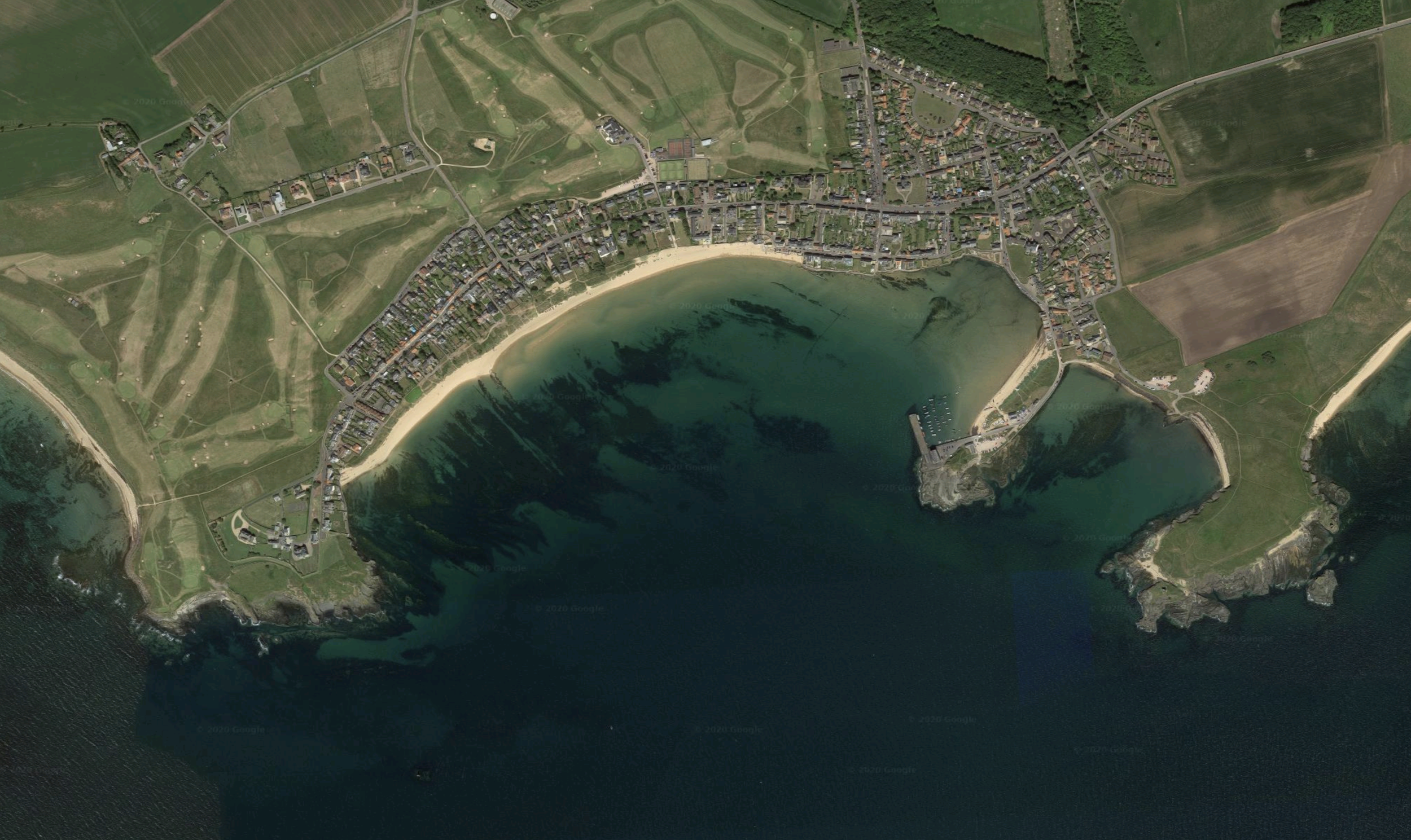
In current times the internet is a fabulous resource and provides all manner of information for potential self builders. Google Earth in itself can provide a wealth of information to help identify potential self build plots. There are also several other well known publications which are continually providing updates on the latest thinking in the self build world.
Some useful links are enclosed below